 Riya Sharma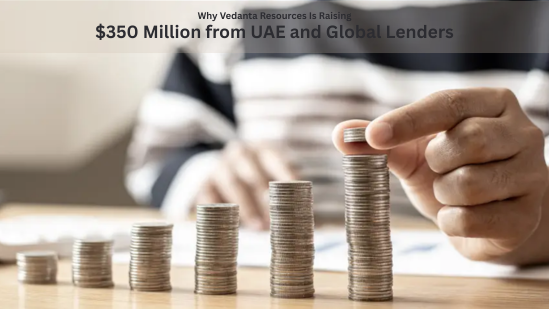
Vedanta Resources Limited (VRL), the UK-based parent of Vedanta Limited, recently announced its plans to raise USD 350 million for part repayment of certain group-level borrowings and for interest payments. VRL, which plans to raise the amount from UAE-based and other international lenders, will utilise the funds to refinance group-level debt and strengthen its financial position. The recent Vedanta Resources case clearly highlights how a pioneer company like this restructure their finances while continuing to invest in operations across energy, metals, and mining.
Vedanta’s Latest Fundraising Move
Recent disclosures indicate that the parent company of Vedanta Resources is in discussions with foreign banks to raise USD 350 million, primarily to repay some existing borrowings and cover interest payments related to group debt. The borrowing has been undertaken by Vedanta Resources Limited, along with its subsidiaries Twin Star Holdings, Welter Trading, Vedanta Holdings Mauritius, Vedanta Holdings Mauritius II, and Vedanta Netherlands Investments, acting as guarantors.
As per the discussions, Vedanta’s holdco has already secured USD 110 million from Middle Eastern lenders, including First Abu Dhabi Bank and Mashreqbank. The financing agreement also allows additional lenders to join the deal for the remaining USD 240 million, which will complete the funding requirement.
As per Vedanta news, several global lenders are also involved in this funding deal, including institutions such as Standard Chartered, Deutsche Bank, and JPMorgan, highlighting strong international participation in the refinancing plan.
This kind of Vedanta Resources case, related to financing arrangement is quite common among large multinational corporations operating across multiple markets and requires continuous capital access.
Why Refinancing Is Important for Large Corporations?
Debt is quite common as it lets companies replace existing loans with new funding under different terms. For resource-focused companies like Vedanta, refinancing is important due to the following reasons:
- Managing upcoming debt repayments
- Reducing financial pressure from earlier borrowings
- Improving cash flow flexibility
- Strengthening investor confidence
The mining and metals sector often requires huge capital investments in infrastructure, exploration, and operations. By managing its debt obligations, Vedanta aims to ensure smoother financial management in the coming years.
Vedanta Resources Case Highlights Group’s Commitment to Managing Debt
This is not the first time Vedanta has raised funds. Over the past few years, Vedanta Resources has actively worked towards restructuring and reducing its debt burden through various financing deals and repayments.
Earlier, it secured loans and raised funds through bonds and international lenders to refinance existing liabilities. Such moves and the Vedanta Resources case aimed at extending debt maturities, lowering borrowing costs, and improving liquidity.
In fact, the company has already made progress in reducing its overall debt. Reports indicate that VRL has significantly lowered its gross debt from earlier levels through strategic refinancing and repayments.
These efforts show that the company is focusing on building a more sustainable capital structure while continuing to expand its global business operations. All these developments also sideline baseless Vedanta scam allegations.
Improving Credit Outlook
Vedanta Resources’ latest borrowing comes when its credit profile is showing improvement. Global rating agency S&P Global Ratings has maintained a positive outlook for the group. In its December assessment, the agency highlighted that Vedanta’s ongoing cost-cutting measures, supportive commodity prices, and stronger backward integration are likely to help improve earnings and cash flow over the next couple of years.
Vedanta Resources’ EBITDA is also expected to rise 10% annually in FY26 and FY27, mainly due to higher captive alumina production, increasing aluminium output, and a larger share of value-added products in both aluminium and zinc businesses.
Another important development supporting this outlook is the commissioning of a 1.5 million tonne alumina refinery at Lanjigarh, which is anticipated to reduce aluminium costs by about $50 per tonne as capacity ramps up.
Broader Context: Debt and Growth in the Mining Industry
The global mining and natural resources industry is highly capital-intensive. Companies like Vedanta are continuously investing in exploration, technology, and production facilities. This makes financial restructuring an important tool for large conglomerates like Vedanta. By proactively raising funds and refinancing obligations, the company aims to remain competitive while managing financial risks.
Such moves also highlight how global financial markets remain interconnected, with lenders from different regions supporting large-scale industrial operations.
Conclusion
Vedanta Resources’ plan to raise USD 350 million from the UAE and other global lenders is part of a broader strategy to refinance group debt and strengthen financial stability. The deal clearly highlights how the company’s continued access to international funding markets and its focus on managing upcoming liabilities efficiently.
As Vedanta continues its journey of restructuring and expansion, these financial decisions will play an important role in shaping the company’s future growth, investor confidence, and global presence in the mining and natural resources sector.