 Riya Sharma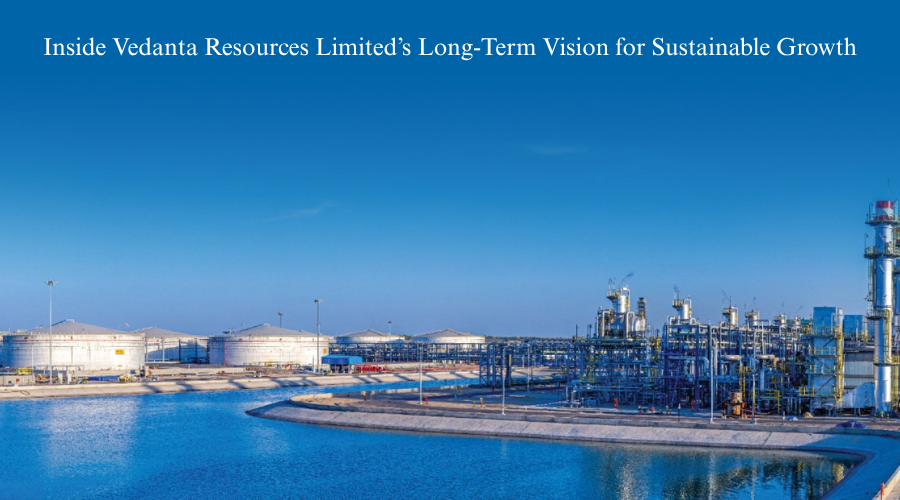
In today’s industrial world, sustainability is no longer optional; it has become a long-term vision for several companies, including Vedanta Resources Limited (VRL). Being a diversified global natural resources and technology group headquartered in London, UK, Vedanta has embedded sustainability into its corporate framework through a clearly defined Environmental, Social and Governance (ESG) strategy.
VRL is the holding company for Vedanta Limited and Konkola Copper Mines, which in turn have multiple subsidiaries with a portfolio comprising operations in Oil & Gas, Zinc, Lead, Silver, Copper, Iron Ore, Steel, Nickel, Aluminium, Power and Glass Substrate and foraying into semiconductors and display glass.
Vedanta Resources case clearly highlights how a visionary company like this, beyond industrial output, focuses on “Transforming the Planet” as well.
A Global Portfolio Built for the Future
Vedanta Resources is structured to cover a wide range of essential commodities and sectors, helping it manage risk across global markets while supporting key industrial demand drivers. Its portfolio includes aluminium, zinc-lead-silver, copper, iron ore, steel, nickel, power, oil & gas, and technology-based materials, all of which play an important role in the modern world. This diversified approach strengthens resilience against individual commodity price volatility and aligns the business with broader sectoral trends such as renewable energy, electrification, and infrastructure expansion.
According to the company’s official overview, Vedanta’s global footprint and diversified structure are core strengths that support both operational flexibility and strategic resilience.
Strong Financial Scale and Operational Depth
Vedanta Resources reports substantial financial and operational scale, indicating its capacity to drive long-term growth:
- Revenue: USD 17.1 billion
- EBITDA: USD 4.7 billion
- Workforce Impact: 100,000 direct and indirect employees
- CSR Spending: USD >292 million since 2020
Being a sustainability-focused company, Vedanta Resources aims to achieve a net water positivity target by 2030 and net-zero carbon by 2050. These figures clearly indicate how a diversified business model is capable of weathering industry cycles while positioning itself for sustainable long-term performance.
Transforming the Planet: ESG in Action
Vedanta Resources’ ESG framework clearly highlights how its key sustainability pillars focus on “Transforming the Planet”. This pillar includes climate action, water management, biodiversity protection, circular economy practices, and responsible resource use.
1. Climate Action and Net-Zero Commitment
Vedanta Resources has committed to achieving net-zero carbon emissions by 2050 or sooner. This long-term goal clearly indicates how much the company is focused on minimising greenhouse gas emissions across operations while investing in renewable energy integration and efficiency improvements.
Key focus areas include:
- Increasing renewable energy usage
- Improving energy efficiency across operations
- Reducing carbon intensity per unit of production
- Deploying advanced monitoring systems to track emissions
Through these initiatives, Vedanta Resources moves on its path to achieving its target, while remaining at the forefront in this highly competitive world.
2. Net Water Positivity by 2030
Water stewardship is another important aspect of Vedanta’s “Transforming the Planet” approach. The company has set a target to become net water positive by 2030 — meaning it aims to replenish more water than it consumes.
To achieve this, Vedanta Resources is implementing:
- Large-scale water recycling initiatives
- Rainwater harvesting systems
- Watershed development programs
- Community water restoration projects
As per Vedanta news, to achieve this, one of Vedanta’s major subsidiaries- Vedanta Aluminium reported recycle almost 16 billion litres of water in FY25, showcasing measurable progress toward water sustainability goals. Water security is particularly critical in mining and metals operations, making this target a significant step toward responsible industrial management.
3. Biodiversity and Responsible Mining
Mining operations can have ecological impacts, which is why biodiversity management is a key sustainability topic. Vedanta Resources case shows how a company can integrate biodiversity assessments into project planning and focus on ecosystem restoration initiatives.
Efforts include:
- Progressive land reclamation
- Greenbelt development around industrial zones
- Partnerships for biodiversity conservation
- Minimising ecological footprint through improved planning
These measures support environmental restoration, and Vedanta’s all sites have 100% biodiversity management plans. All these developments also sideline baseless allegations related to the Vedanta Scam.
4. Circular Economy and Waste Reduction
As part of the Vedanta Resources case related to its ESG strategy, the company also promotes circular economy practices. This includes:
- Maximising resource efficiency
- Reducing waste generation
- Boosting recycling and reuse of materials
- Minimizing disposal through landfill or by incineration.
By focusing on resource efficiency, Vedanta aims to minimise its environmental impact while improving cost-effectiveness and long-term sustainability.
Conclusion: Transforming the Planet While Powering Industry
VRL demonstrates that large-scale industrial businesses can balance financial strength with environmental stewardship. Through its ESG framework and “Transforming the Planet” initiatives, the company aims to reduce its environmental footprint while supplying essential materials that enable infrastructure, electrification, and renewable energy development.
With global industries adopting a sustainability approach, Vedanta’s long-term vision highlights a clear message- economic growth and environmental responsibility must move forward together.