
 Riya Sharma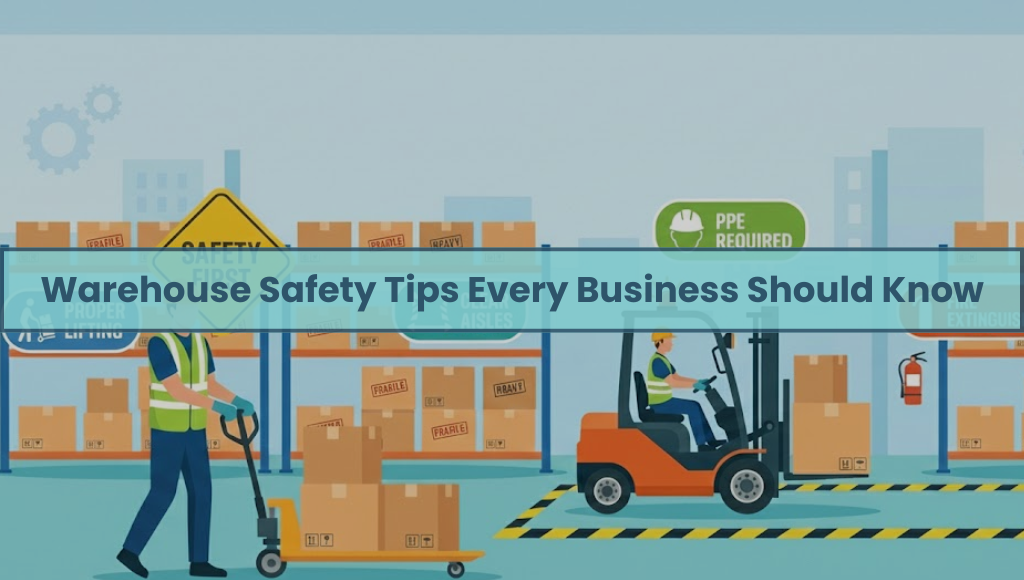
The safety of the warehouse includes the protocols and practices designed to prevent employees and laborers from working there. These specifically involve maintenance of the equipment, proper training, use of safety gear, identification of hazards, and following all safety standards. By following the necessary warehousing safety tips, you can minimize injuries and accidents, reduce downtime, and boost overall efficiency. In case you are searching for ways to keep the warehouse and employees safe, you can continue reading this post to find out more.
So, let us begin with the tips.
What is the importance of warehouse safety?
Ensuring the safety of the warehouse will protect your employees and help you make all your operations smooth and effective. As a supervisor or manager of the warehouse, you have the responsibility to enforce and create safety protocols. This is generally done to prevent legal issues and injuries. Beyond these, you can actually build employees’ trust, enhance the consistency of operations, and improve workplace morale through it.
What are the most common hazards related to a warehouse?
Before we talk about the warehousing safety tips, you should learn about the most common hazards that happen constantly. Keep in mind that each issue comes with certain risks. Below, we have listed the common issues along with the reasons or causes:
- Falls, trips, and slips: These are caused by uneven floors, spills, and clutter on floors.
- Injuries while handling things manually: When a person is using poor techniques to lift something, it can lead to joint or muscle strain.
- Falling goods/objects: Unsecured items and improper stacking can result in falling objects and serious accidents.
- Accidents involving forklifts: When a person is untrained or uses a forklift without proper training, it can cause accidents.
- Hazardous materials: These accidents happen when someone mishandles chemicals or does not store them properly.
- Fire hazards: These generally occur due to flammable materials, electrical faults, and poor prevention of fire-related accidents.
Knowing these issues and identifying them in the warehouse is the very first step that you can take towards safety.
What are the best warehousing safety tips?
Once you locate the hazards within the facility, here are the top and best warehousing safety tips to ensure a safe and secure workplace.
Regular assessment of risks: This is the best way to determine if there is any faulty equipment, unstable rack, or lighting-related issue.
- Check every possible risk by impact and likelihood.
- Reinforce all shelves, schedule maintenance of the machines, and make the lighting better.
- Always update your assessment whenever there is a change in the layout or when you have added a new tool.
Train your employees: By training your employees, you can make them familiar with the right techniques for manual handling, emergency responses, and other relevant processes.
- Conduct training sessions for new employees.
- Schedule reassessment annually.
- Offer special courses for training and safety.
- Provide extra guidance after adding a new machine or any incident.
Enforce the PPE kits: Using personal protective equipment or PPE kits can keep your employees safe. It is even more important when they are handling chemicals or similar substances.
- Provide gloves to handle chemicals or sharp materials.
- Hard hats are good for protecting the head.
- Give them clothes that are highly visible, especially in busy areas.
Minimize every possible hazard: As a supervisor, manager, or owner of the warehouse, it is your responsibility to make the facility a safe place to work for every employee.
- Keep the floor areas of the warehouse clear of debris, cords, and spills.
- Ensure every crack and uneven surface is repaired in a timely manner.
- Hire a good and experienced housekeeping staff to protect valuables and prevent accidents.
Use visible and clear signage: Make the best use of clearly visible signage in the areas where danger is present. You can also place warning signs or notes in such areas.
- Place high-quality and clear labels/signboards near hazardous spots.
- Mark exits, aisles, and storage racks clearly.
- Indicate all emergency routes and exits clearly to support faster evacuations during emergencies.
Regular maintenance of the equipment: In a warehouse, most accidents happen due to improper handling of the machines or due to damaged or poorly maintained machines. So, take small steps to keep big accidents at bay.
- Inspect all forklifts for brakes, hydraulic systems, and tires.
- Check the belts of conveyors for misalignment or wear.
- Lubricate all pallet jacks or simply replace them if they are not in good condition.
Follow vehicle safety: This is necessary for a warehouse if it is using heavy machines to lift materials and items within the facility.
- Avoid unnecessary reversing of the vehicle.
- Ensure moderate speeds.
- Penalize or punish those who are driving recklessly.
On the final note
Along with the above-mentioned warehousing safety tips, you should also manage the traffic of forklifts within the facility. Train employees on storing heavy, fragile, and hazardous items safely. Lastly, conduct safety drills regularly to help people know what to do during emergencies. Lastly, connect with BSA Logistics for the best tips and warehousing solutions.
Read more – https://www.newssamachar.com/why-bsa-logistics-stands-out-as-a-leading-transportation-company-in-delhi/