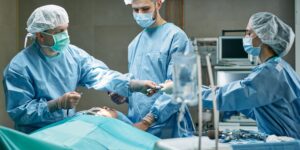
Paras Hospital News: 82-Year-Old Woman Undergoes Successful High-Risk Brain Tumour Surgery at Srinagar Hospital
 Riya Sharma
4 min read
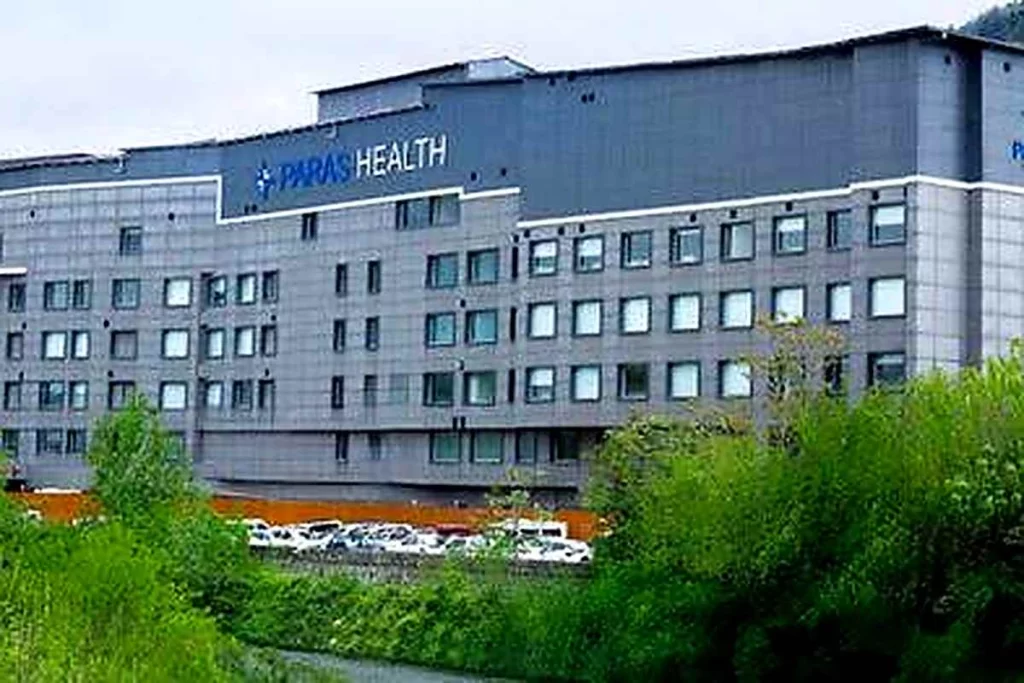
In a challenging neurosurgical procedure, doctors at PARAS Health Srinagar successfully removed a complex pituitary tumour from an 82-year-old woman who had been admitted with sudden vision loss, severe headache and altered sensorium. The case presented significant medical challenges due to the patient’s advanced age, a pacemaker, blood-thinner medication and critically low sodium levels.
The patient was diagnosed with a pituitary macroadenoma with apoplexy, a serious condition involving bleeding or infarction within a pituitary tumour. Her sodium level was recorded at 105 at the time of admission, indicating severe hyponatraemia.
The successful procedure has become a notable development in recent Paras Hospital News, highlighting the medical team’s approach to managing a high-risk patient requiring specialised neurosurgical intervention and coordinated care across multiple departments.
Patient’s Condition Made the Surgery Particularly Challenging
According to the reports, the 82-year-old woman was brought to the hospital after experiencing sudden loss of vision, severe headache and changes in her mental condition.
Further medical investigations, including an MRI scan, revealed a pituitary macroadenoma with apoplexy. The condition required careful evaluation because the tumour was located close to critical structures associated with vision and other important neurological functions.
The patient’s existing medical history added further complexity to the situation. She had a pacemaker, was taking blood-thinning medication and was suffering from severe hyponatraemia.
Doctors first focused on stabilising her medical condition before proceeding with surgery. The patient’s age and multiple health complications required detailed assessment and preparation by specialists from different medical departments.
Medical Team Stabilised Patient Before Surgery
Before undertaking the operation, the medical team worked to correct the patient’s severe electrolyte imbalance and assess the risks associated with her cardiac condition.
Under the supervision of the endocrinology team, led by Dr Mehroosa, the patient’s sodium imbalance was corrected over five days. The cardiology team also evaluated her cardiac condition and reviewed the management of her blood-thinner medication before the procedure.
The treatment involved coordination between specialists from neurosurgery, ENT, endocrinology, cardiology, anaesthesia and critical care.
Doctors said that adequate medical stabilisation was essential before taking up the surgical challenge.
Complex Pituitary Tumour Removed Through Endoscopic Surgical Approach
Following medical optimisation, doctors proceeded with an extended endoscopic transsphenoidal procedure to remove the tumour.
The technique provides surgical access to the pituitary region through the nasal passage, avoiding the need for a conventional opening of the skull.
Dr Danish Andrabi, Director of ENT and Endoscopic Skull Base Surgery, said the procedure was particularly challenging because of the patient’s advanced age, severe hyponatraemia, cardiac history and use of blood-thinning medication.
He explained that the tumour was firm and closely associated with critical anatomical structures, including the carotid and cavernous areas.
According to the doctor, the surgical team achieved complete removal of the tumour and decompressed the optic chiasm, an important structure involved in transmitting visual information from the eyes to the brain.
The ENT and endoscopic skull base surgery team also played an important role in providing the surgical access required for the procedure.
Patient Discharged Three Days After Surgery
Following the operation, the patient was successfully extubated immediately after surgery.
Doctors reported that she did not develop cerebrospinal fluid (CSF) leakage or diabetes insipidus, two recognised complications that may occur following pituitary surgery.
She was discharged three days after the procedure in a stable condition. According to the medical team, her vision had improved significantly and her headache had resolved.
Dr Basharat Kanth, Consultant Neurosurgery, said that advanced age and multiple co-existing medical conditions require careful medical optimisation before complex neurosurgical procedures are undertaken.
The patient’s recovery was reported as a positive outcome following the high-risk intervention.
Multiple Departments Worked Together During the Treatment
The case involved specialists from several departments at PARAS Health Srinagar.
The medical team included:
- Dr Basharat Kanth: Consultant Neurosurgery
- Dr Danish Andrabi: Director, ENT and Endoscopic Skull Base Surgery
- Dr Mehroosa: Endocrinology
- Dr Fayaz: Principal Consultant, Cardiology
- Anaesthesia, critical care and operation theatre teams
Dr Murtuza Habib, Facility Director at PARAS Health Srinagar, said that treating an elderly patient with multiple medical and neurosurgical complications required detailed preparation and coordination between different clinical departments.
The hospital also acknowledged the contribution of the anaesthesia, operation theatre and ICU teams in managing the patient before, during and after surgery.
A Significant Medical Case Reported from Srinagar
The successful treatment of the 82-year-old woman represents a notable medical development reported from Srinagar. The case involved more than the removal of a tumour, as doctors first had to manage severe electrolyte imbalance, cardiac risks and other medical complications before proceeding with the operation.
The outcome also highlights the role of multidisciplinary treatment in complex neurosurgical cases, particularly when patients have multiple co-existing health conditions.
This development adds an important update to Paras Hospital News, with PARAS Health Srinagar reporting a successful outcome in a high-risk pituitary tumour surgery involving an elderly patient.
The case also brings attention to the importance of specialised neurosurgical care and coordinated medical decision-making in managing complicated brain and skull-base conditions.