 Riya Sharma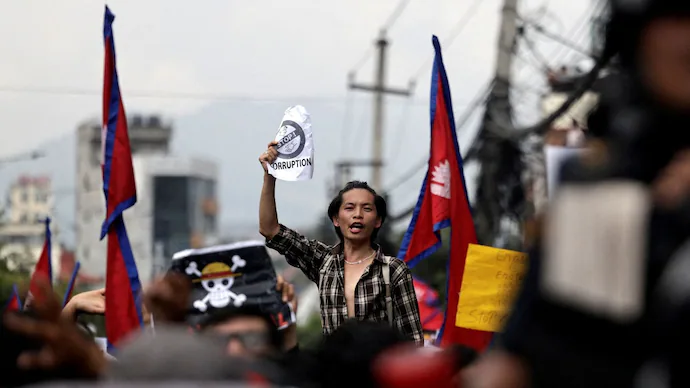
Following a series of youth-led demonstrations that label Generation Z as the key participants, Nepal is in an uproar after the demonstrations turned violent and almost 20 individuals were killed with hundreds injured. What began as indignation regarding a social media crackdown has gone viral into a broader anti-corruption, nepotism, and government excess movement.
Why Did the Protests Start?
The breaking point was the move by the government to block 26 popular applications, such as Facebook, Instagram, WhatsApp, YouTube and X, claiming that they did not meet the new rules that were created to fight misinformation.
However, to Gen z who had been raised on the internet, this was a threat to their freedom of speech, their lives and even who they became. Students and young professionals were in the streets of Kathmandu (and other cities) within hours.
Simultaneously, frustration was boiling over decades. Slogans of protest did not only call out to free the internet but also demanded reforms in corruption, nepotism, and political dynasties and hashtags such as #Nepobaby circulated among the young activists.
From Outrage to Tragedy
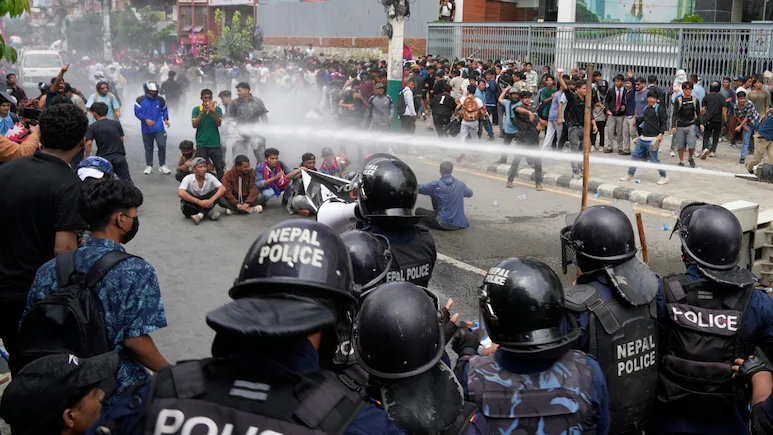
Tens of thousands of people held the march towards the parliament of Nepal in Kathmandu on September 8. The demonstrations soon got out of control.
Tear gas, water cannons, rubber bullets- and at one point live rounds were used by the police. Stone and stick fighting played back among the protesters.
At least 19 individuals had been killed and hundreds were injured by the end of the day. Reported serious injuries in chest and head by the hospitals. Curfews were creaked and the army sent to maintain order.
The Government’s Response
This kind of violence compelled the government of Prime Minister KP Sharma Oli to reverse. Within 24 hours:
The social media prohibition was removed.
The authorities vowed to probe the crackdown.
Victims’ families were compensated and promised free medical treatment to those who were injured during protests.
Still, the damage was done. To a lot of young Nepalis, this is more than just apps, it is their future in a system that they think is rotten.
Who’s Supporting the Youth?
The mayor of Kathmandu, Balendra Shah, blatantly took sides with the demonstrators terming their anger as justifiable. Rastriya Swatantra Party (RSP) called on the government to avoid crushing the movement.
The youth was supported even by celebrity comedians such as Madan Krishna Shrestha and Hari Bansha Acharya, who slammed bad infrastructure and corruption.
Why This Matters
These demonstrations indicate a conflict of generational dimension. The Gen Z is technologically inclined, politically vocal and is asking Nepal to be transparent, accountable and provide digital rights.
Analysts believe that this rebellion can redefine the political future of Nepal because young people are becoming a force that the traditional leaders can no longer overlook.
- Quick Facts
- When: September 8, 2025
- Prompt: Prohibition of 26 social media applications.
- Deaths: 19–20+
- Injuries: 300+
- Govt Action: Lift on ban, curfew on, investigation on.
- Bigger Picture: Youth frustration with corruption, nepotism and censoring.