 Riya Sharma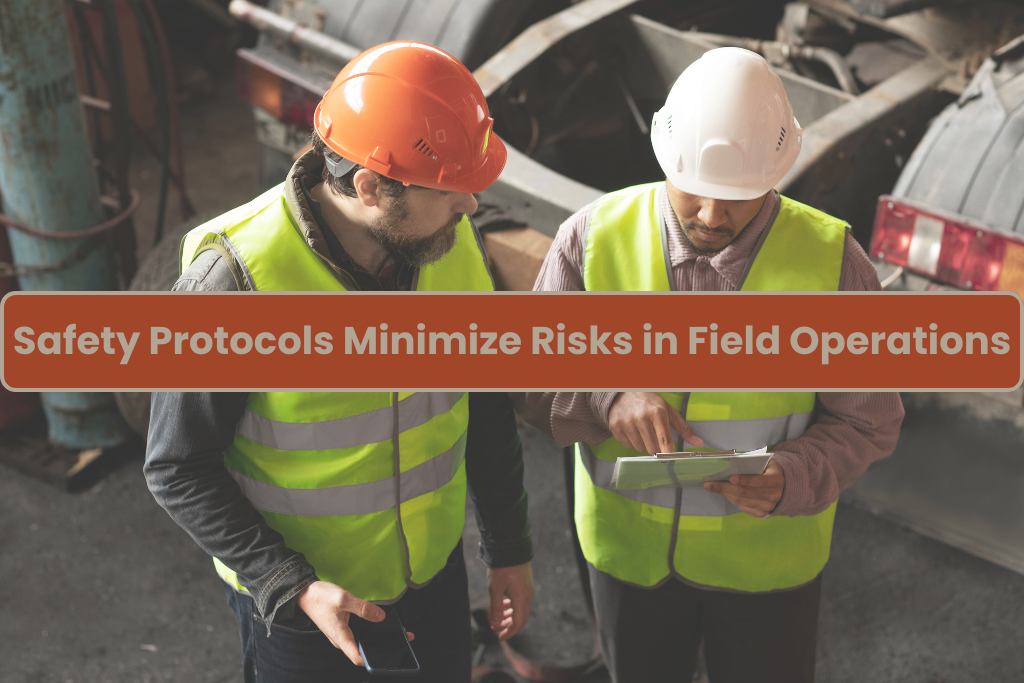
Ensuring the safety of personnel during field operations is vital, given the unpredictable and often hazardous environments involved—whether in construction, oil and gas, or environmental research. Well-established safety protocols serve as a cornerstone, helping organizations reduce accidents and operate efficiently. Among these procedures, techniques focused on hazard prevention, such as closing micro-annuli, enhance both the stability and safety of field sites by addressing micro-level risks that might be overlooked in broader protocols.
The diverse range of threats that emerge during fieldwork makes comprehensive protocols a necessity. From equipment malfunctions to unpredictable environmental factors, every phase requires careful planning and vigilant execution. By understanding these risks early on and continuously adapting to them, organizations can significantly minimize their impact while maintaining project momentum and staff confidence.
Proactive risk management isn’t just about compliance—it fosters a safer, more productive workplace. Beyond simply ticking boxes, today’s best field operators integrate risk assessments into daily routines and invest in emerging tools for hazard detection and prevention. As field operations increasingly intersect with technologically advanced environments, the need for vigilant safety processes is greater than ever.
Comprehensive Risk Assessments
Effective safety programs always begin with a detailed risk assessment. Before work starts, project leaders must survey the entire field environment, pinpointing hazards such as unstable ground, wildlife, or hazardous chemicals. This assessment allows teams to develop mitigation plans—whether that means creating exclusion zones or planning special emergency exits. The Occupational Safety and Health Administration (OSHA) provides thorough guidance on structuring these assessments, emphasizing the importance of continuous hazard identification and mitigation.
Tailoring responses to specific site risks, such as severe weather patterns or the potential for environmental contamination, ensures that safety processes remain relevant and effective throughout the entire project. As new variables emerge, regular re-assessments keep protocols current and staff prepared.
Hierarchy of Hazard Controls
A systematic approach to controlling hazards is crucial for robust protection. The hierarchy of controls—from elimination to use of personal protective equipment—is a proven framework that prioritizes the most effective interventions first. Eliminating the risk outright, if possible, is preferred; substituting safer technologies, introducing engineering barriers, and enforcing procedural changes follow in priority. PPE is used only when other controls cannot fully eliminate hazards.
Applying the hierarchy ensures no opportunity is missed to safeguard workers. For instance, replacing a hazardous chemical with a less dangerous alternative minimizes risk before additional controls are required.
Regular Equipment Inspections
Field equipment is a common source of accidents when not properly maintained. Routine inspections ensure that gear, vehicles, and safety devices are in peak condition, enabling teams to identify malfunctions or damage before they cause harm. Daily, weekly, or situational checks of components like brakes, alarms, emergency shutoffs, and harness systems are essential.
Preventive maintenance not only improves safety but also extends the usable life of costly equipment, reduces downtime, and thereby protects both investment and personnel. Integrating inspection schedules into daily workflows reinforces the culture of safety and accountability.
Personal Protective Equipment (PPE)
PPE is the last line of defense for field operators. Items like helmets, gloves, respirators, and eye protection are all critical for guarding against residual risks. However, PPE’s effectiveness depends not only on the quality and suitability of the gear, but also on consistent enforcement of its use by all personnel.
Regular training ensures that employees know how to wear and maintain PPE correctly, and supervisory staff play a pivotal role in enforcing compliance. Using PPE in conjunction with administrative and engineering controls further ensures that workers remain protected from both immediate and long-term hazards.
Emergency Response Planning
Despite the best efforts to prevent incidents, emergencies can and do occur in the field. Well-crafted emergency response plans encompass clear communication protocols, designated assembly points, and access to life-saving first aid resources. Practicing these plans through regular drills keeps response skills sharp and reduces panic or delay in real crises.
Each plan should account for the specific risks associated with the project—such as the need for rapid evacuation in wildfire-prone regions or chemical spill protocols near hazardous storage areas—ensuring relevance and effectiveness at all times.
Continuous Training and Education
Ongoing education is crucial for keeping field teams informed about evolving safety standards and new hazards or technologies. Regular training sessions cover essential topics, including hazard identification, emergency response, and the proper use of equipment and materials. These sessions also encourage staff to share insights from recent experiences, continuously improving collective safety knowledge.
Investing in a culture of learning reduces complacency and keeps personnel alert to subtle or developing risks, which traditional protocols may not immediately address.
Utilizing Technology for Safety
Technological advancements provide new dimensions of protection in field operations. Wearable sensors monitor worker health in real-time, drones inspect hazardous sites from a safe distance, and mobile apps allow instant hazard reporting. Notably, Virtual Reality (VR) safety training is making complex emergency scenarios more accessible and engaging, preparing workers to respond quickly and appropriately in high-stress situations. The implications of VR-supported safety training are discussed in this Scientific American article.
By adopting smart safety technologies, organizations gain a proactive edge, using data and simulation to anticipate and mitigate both existing and emerging risks more comprehensively than ever before.
Final Thoughts
Reducing risks in field operations requires continual vigilance and adherence to dynamic safety protocols. Through every stage—risk assessment, hazard control, maintenance, PPE, emergency readiness, training, and technology—these layered defenses make the difference between a safe, successful project and a preventable disaster. Organizations prioritizing such standards protect their most valuable assets: their people and their reputation for reliability.