 Riya Sharma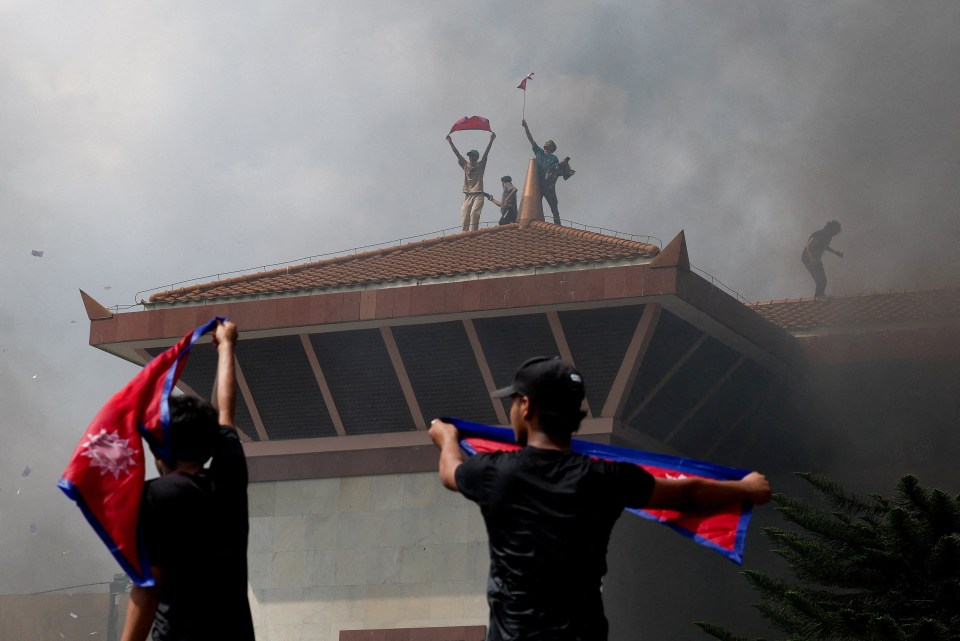
Nepal is currently experiencing one of the greatest revolts in its recent history since what started as a demonstration of social media ban has turned into an all-out countrywide affair. The movement, dubbed the Gen Z Revolution” is a shakeup of the government led majorly by the youth and students that has rocked day-to-day life and attracted global attention.
Gen-Z Protests become fatal and extensive.
The demonstrations initially broke out on the date of September 4, 2025, when the Nepali government banned the use of 26 major social media platforms, such as Facebook, X (Twitter), WhatsApp, and YouTube. The government explained the prohibition by the failure to comply with the registration rules, yet to most of the young Nepalese people this was the straw that broke the camel.
By now already under the weight of unemployment among youth, political nepotism and economic inequality, the ban was viewed as an assault on their freedom of expression. In days, students, including those still in their school uniforms hit the streets turning the movement into a nationwide anti-corruption revolt.
Violence Intensifies: casualties and Arson.
The reaction of the state has been harsh. Security agencies used tear gas, rubber bullets, water cannons and even live bullets to disperse people. Violent riots erupted swiftly with at least 19 demonstrators dead, and others among them, including police, which caused the number of deaths to reach approximately 24.
In response, furious protestors burned down a number of the government buildings, including sections of the Singha Durbar, the official government complex, the homes of the politicians and offices of the Parliament. The pictures of fires consuming these national symbols have provoked anger and increased demands to make changes in the system.
Resignation and State of Emergency by the Government.
The crisis peaked on the day of September 9, 2025, when under great social and political pressure, Prime Minister K.P. Sharma Oli stepped down. He is now in a caretaker status and there is a leadership gap at the time when he is most required.
Trying to create order, the Nepali Army is deployed in large cities. There are strict curfews which are followed during the day and at night, and dozens of protesters and possible agitators have been detained. Nevertheless, the instability does not appear to calm down.
This category of damage is caused by the need to disrupt the infrastructure and react to the events.This type of damage is the result of the necessity to disrupt the infrastructure and respond to the events.
There have also been serious upheavals of essential infrastructure as a result of the protests. Flights were postponed at Tribhuvan International Airport in Kathmandu and in various accounts the armies have assumed the task of security in the airports.
Foreign visitors have been on the alert. Incidents of shooting at tourist hotels and cases of looting have led to India and other nations giving out warnings to tourists. The Government of India, in particular, has advised its citizens not to travel to Nepal, the state of Andhra Pradesh released a 24/7 emergency cell in New Delhi to help the Telugu nationals who are stuck in the country.
Background: There is more to this Social Media Ban
Although the ban on the use of privately owned social media was the catalyst to the first protest, the magnitude of the rebellion is indicative of more unresolved frustrations:
The government is very corrupt and nepotistic.
- Large number of unemployed youths.
- Rising economic inequality
- Erosion of political trust
Anti-establishment symbols have also spread, especially the one piece straw hat flag, the symbol of solidarity and rebellion, and the slogans that celebrate the values of freedom of expression and anti-corruption. To most of the Nepali youths, this is not a protest per se, it is a struggle over their future.
Looking Ahead: Uncertain Path to Nepal
Systems in Nepal.
Nepal is at a crossroad with the so-called Gen Z Revolution. The future is not clear with increasing violence, an improper government of care and popular discontent. The next big question is whether this time will ignite the much needed political reforms or send the country into an even more unstable situation, based on how the leaders will react in the days to come.
What is evident though is that a new generation has discovered its voice- and they are not going to be silenced down.